Introduction
In the realm of sports, the excitement of competitors is commonly come with by an underlying threat-- heart attack. While athletes push their restrictions and motivate us with their accomplishments, the truth is that abrupt cardiac incidents can take place anytime. This post looks into Sports-Related Cardiac Arrest: The Significance of Immediate CPR, clarifying the critical duty that Cardiopulmonary Resuscitation (CPR) plays in saving lives during these emergency situations.
From recognizing the auto mechanics behind cardiac arrest to exploring innovative resuscitation skills, this thorough guide intends to outfit you with crucial knowledge and resources. Whether you're a train, a moms and dad, or just somebody that appreciates entertainment sports, understanding exactly how to respond can make all the difference.
Understanding Sports-Related Heart Arrest
What is Sports-Related Cardiac Arrest?
Sports-related heart attack refers to an unexpected loss of heart function in people participating in sports activities. It can happen to anyone, regardless of age or physical fitness degree. When a professional athlete experiences cardiac arrest on the field or court, immediate action is vital for survival.
The Device Behind Cardiac Arrest
Cardiac arrest occurs when the heart's electrical system breakdowns, leading to an inefficient heartbeat. This disturbance stops blood from flowing to vital body organs, including the mind. Usual causes consist of genetic heart defects, hypertrophic cardiomyopathy, and arrhythmias.
Statistics on Cardiac Arrest in Sports
Recent research studies highlight a startling price of cardiac arrests among athletes:
- Approximately 1 in 50,000 professional athletes experiences a cardiac event. Survival rates differ significantly based on immediate response times.
The Function of CPR in Conserving Lives
What is CPR?
Cardiopulmonary Resuscitation (MOUTH-TO-MOUTH RESUSCITATION) is a lifesaving technique targeted at manually preserving brain function up until further measures are taken. Providing mouth-to-mouth resuscitation can increase or three-way possibilities of survival after cardiac arrest.
Why Immediate Action Matters
When it involves heart attack, every 2nd counts. After simply four minutes without oxygen-rich blood circulation, irreversible mental retardation can occur. This makes prompt mouth-to-mouth resuscitation crucial for maintaining life till professional assistance arrives.

CPR Conserving Lives: Real-Life Examples
Numerous examples exist where prompt mouth-to-mouth resuscitation administration has actually conserved lives:
- In 2021, a secondary school basketball player collapsed during practice however made it through thanks to quick-thinking colleagues that executed CPR.
How to Carry out CPR Effectively
Basic Steps for Grownup CPR
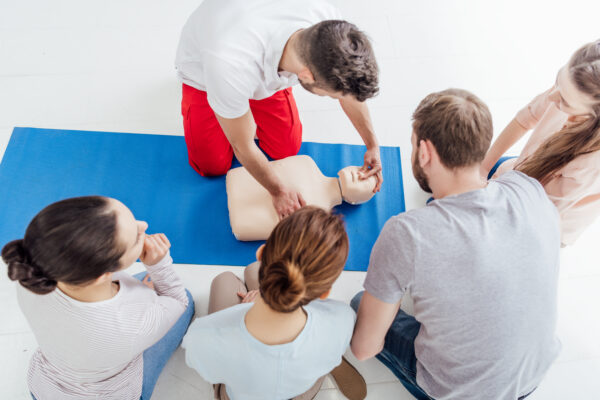
Check responsiveness; if less competent, require emergency assistance. Begin upper body compressions at a depth of concerning 2 inches and at a price of 100-120 compressions per minute. If trained, offer rescue breaths in a ratio of 30 compressions to 2 breaths.Incorrect Compression Deepness: A Common Mistake
One significant error during mouth-to-mouth resuscitation is falling short to apply sufficient compression depth. Study suggests that compressions ought to be deep sufficient to effectively pump blood yet not so deep regarding trigger injury.
Infant and Child CPR Techniques
Different age groups call for particular techniques:
- For babies: Utilize 2 fingers and compress regarding 1.5 inches deep. For children: Use one hand for compressions with similar deepness guidelines as adults.
Advanced Resuscitation Skills
AED: How to Utilize It Effectively
An Automated External Defibrillator (AED) can bring back normal heart rhythm during a cardiac occasion:
Turn on the AED and adhere to voice prompts. Apply pads as shown on the device. Allow AED to assess heart rhythm before proceeding CPR if advised.CPR and First Aid Combo Training
Combining CPR training with first aid enhances readiness for emergencies:
- Local classes usually provide thorough programs covering both areas.
Household Readiness for Emergencies
Creating Office Emergency Plans
Organizations must have clear protocols for reacting to clinical emergencies like heart attack:
- Designate employee learnt CPR and very first aid.
Household Preparedness Measures
Consider having an AED offered in the house if someone has actually understood heart problems or if you have active young professional athletes associated with sports.

Local Resources for Discovering CPR
Finding Regional CPR Courses Near You
Many recreation center and medical facilities supply regional mouth-to-mouth resuscitation qualification programs:
- Check online systems for schedules and availability.
Online CPR Certification Options
With busy schedules becoming common, on the internet accreditation programs offer adaptability without compromising quality education.
Frequently Asked Concerns (FAQs)
What are the indications of foreshadowing heart arrest?
Signs may consist of sudden collapse, lack of reaction, unusual breathing patterns such as gasping or no breathing at all.
Do I require special equipment for executing CPR?
While standard CPR does not need unique tools other than your hands or mouth-to-mouth breaths if trained, having accessibility to an AED can substantially improve survival chances.
How usually must I restore my mouth-to-mouth resuscitation certification?
Typically every two years; nonetheless, check neighborhood demands as they might vary by region or company type.
Can I use an AED on children?
Yes! Many AEDs come equipped with child pads appropriate for use on younger people; always adhere to tool instructions.
What's the success rate of bystander-administered CPR?
Studies suggest that immediate bystander-administered mouth-to-mouth resuscitation can boost survival prices considerably-- usually increasing them when given within minutes.
li20/ol3/hr8hr8/##
Conclusion
As we have actually explored throughout this write-up labelled "Sports-Related Heart attack: The Significance of Immediate mouth-to-mouth resuscitation," recognizing how to effectively respond during these emergency situations can not be overstated-- it conserves lives! From learning proper techniques like inaccurate compression deepness administration and utilizing AEDs appropriately, each item contributes towards building awareness and preparedness within neighborhoods involved in sporting activities activities.
By outfitting ourselves with expertise through regional courses or on the internet certifications focused on innovative resuscitation abilities-- every individual comes to be equipped against possible disasters that can or https://telegra.ph/Locate-Regional-Mouth-to-mouth-Resuscitation-Courses-Transform-Yourself-into-a-Lifesaver-08-31 else result from hold-ups at work adhering to abrupt cardiac incidents throughout sports events!
Always bear in mind-- the rule holds: "CPR constantly restarts hearts," due to the fact that when First Aid Courses Sydney certification seconds matter most-- your knowledge could be what transforms anguish into hope!
First Aid Pro is one of Sydney’s leading providers of accredited CPR and first aid courses. Established in 2012, our nationally registered training organisation (RTO) has equipped over 2.6 million Australians with essential life-saving skills through our experienced team of over 110 expert trainers. Conveniently located in the heart of Sydney at Chambers Arcade Level 15, Suite 1501/370 Pitt Street, Sydney NSW 2000, we offer top-quality, nationally accredited CPR and first aid training sessions tailored to your needs—whether for workplace requirements, career advancement, or personal safety. From childcare-specific first aid to advanced first aid and resuscitation, we’ve got you covered! Secure your Sydney first aid course or CPR training with us and build the confidence to handle emergencies with a trusted Sydney first aid provider. Take the first step towards becoming a skilled and capable first aider with First Aid Pro today! Call today on 08 7120 2570.